
How to Winterize Your Swimming Pool Properly.
Winterizing your swimming pool is a crucial step in preparing for the cold season, protecting your pool from the damaging effects of frost, ice, and snow. Properly executed winterization ensures that the pool water stays in good condition and makes opening the pool in spring significantly easier. Below is a complete guide on when and how to winterize your swimming pool.
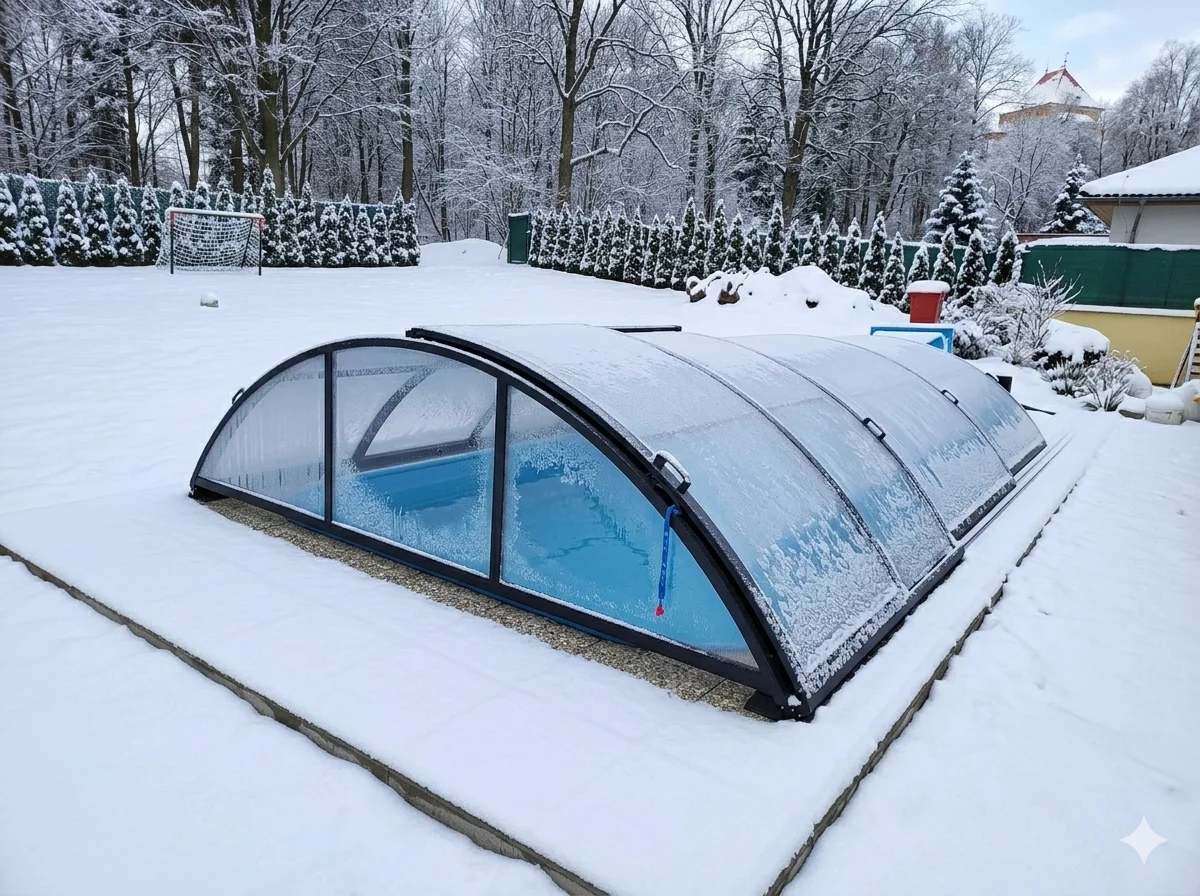
When Should You Winterize Your Pool?
The ideal time to winterize your pool depends on the climate in your area. As a general rule, you should start preparations a few weeks before the first frosts are expected. Ideally, this is when the water temperature stays between +5 and +10°C. Most pool owners winterize their pools during autumn, typically in October or November.
Beware of Premature Winterization: If you close the pool too early while the water temperature is still above +10°C, algae and other microorganisms can quickly multiply. When you open the pool in spring, you may be greeted by murky green water. Clearing it or having to refill the pool can become quite expensive.
How to Winterize Your Pool: Step-by-Step
-
Deep Cleaning the Pool
Start by thoroughly cleaning the pool. Skim off all leaves and debris from the surface. Vacuum dirt and sediment from the floor and walls, backwash the filter sand thoroughly, and clean out the skimmer basket. -
Balancing the Water Chemistry
Before closing, test the chemical balance of your pool water. Check the pH and chlorine levels, ensuring they are within optimal ranges. You can find recommended target values in our article "How to Keep Pool Water Clean Throughout Summer". -
Lowering the Water Level
To prevent freeze damage to the pool structure and fittings, lower the water level below the return jets (preferably about 10 cm below) or according to the manufacturer's guidelines. Use a submersible pump if necessary. -
Disconnecting Equipment
Disconnect all pool equipment, including the filtration system, pump, jets, lighting, and accessories. Clean them and store them in a dry, safe, frost-free location. If your equipment is located in a frost-proof plant room or subterranean pit, simply drain all water from the filter vessel, pump, and pipework.- For sloped pipes, completely drain the water from the lowest point and leave the valves open to allow the pipes to dry.
- For pipes without sufficient slope, extract the water using a wet vacuum or blow it out with compressed air.
-
Preparing the Inlets and Jets
If your return jets are equipped with winterizing plugs or winter caps, fit them securely. These plugs prevent water from entering the fittings and causing freeze damage. -
Adding Winterizing Chemicals
Add a specialized pool winterizing agent according to the manufacturer's dosage instructions. These compounds prevent algae growth and mineral scaling until spring reopening. -
Ice Compensator Floats (Winter Cushions)
It is recommended to install ice compensator floats diagonally across the pool to absorb ice expansion pressure and protect the pool walls. -
Covering the Pool
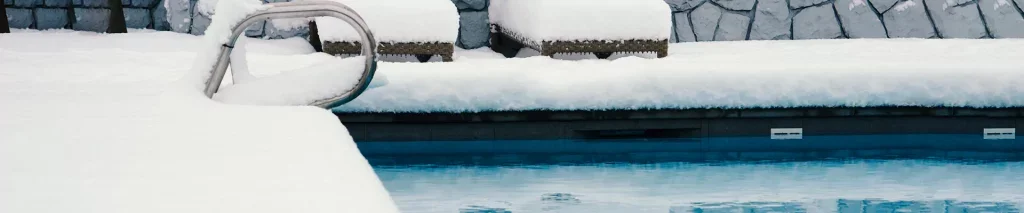
Use a winter safety cover or close your pool enclosure to keep out debris, leaves, and dirt.- If the pool is uncovered, periodically check the water level so rain and snowmelt do not rise back up into the jets or technical pit.
- If your pool is covered with a tarp or enclosure, be sure to clear heavy snow accumulations promptly to prevent structural overloading.
Always follow the specific instructions from your pool and equipment manufacturers. Careful winterization will save you countless headaches and ensure your pool is in peak condition ready for next season.